General Dentistry
Maintain a healthy, confident smile with comprehensive general dentistry at Canal Crest. From routine check-ups and hygiene appointments to restorative treatments, we provide personalised, high-quality care to keep your teeth strong, functional, and looking their best.
Regular preventive care helps us monitor your teeth and gums, identify concerns early, and reduce the need for more extensive treatment. When treatment is needed, we offer natural-looking composite fillings to repair cavities, as well as custom inlays, onlays, and crowns to restore damaged or weakened teeth.
We also provide root canal treatment to save infected teeth where possible, and careful extractions when a tooth cannot be restored. If you have missing teeth, dental bridges can help restore your smile, chewing ability, and natural alignment.
Our team takes the time to listen, explain your options clearly, and create a treatment plan that supports your long-term oral health.
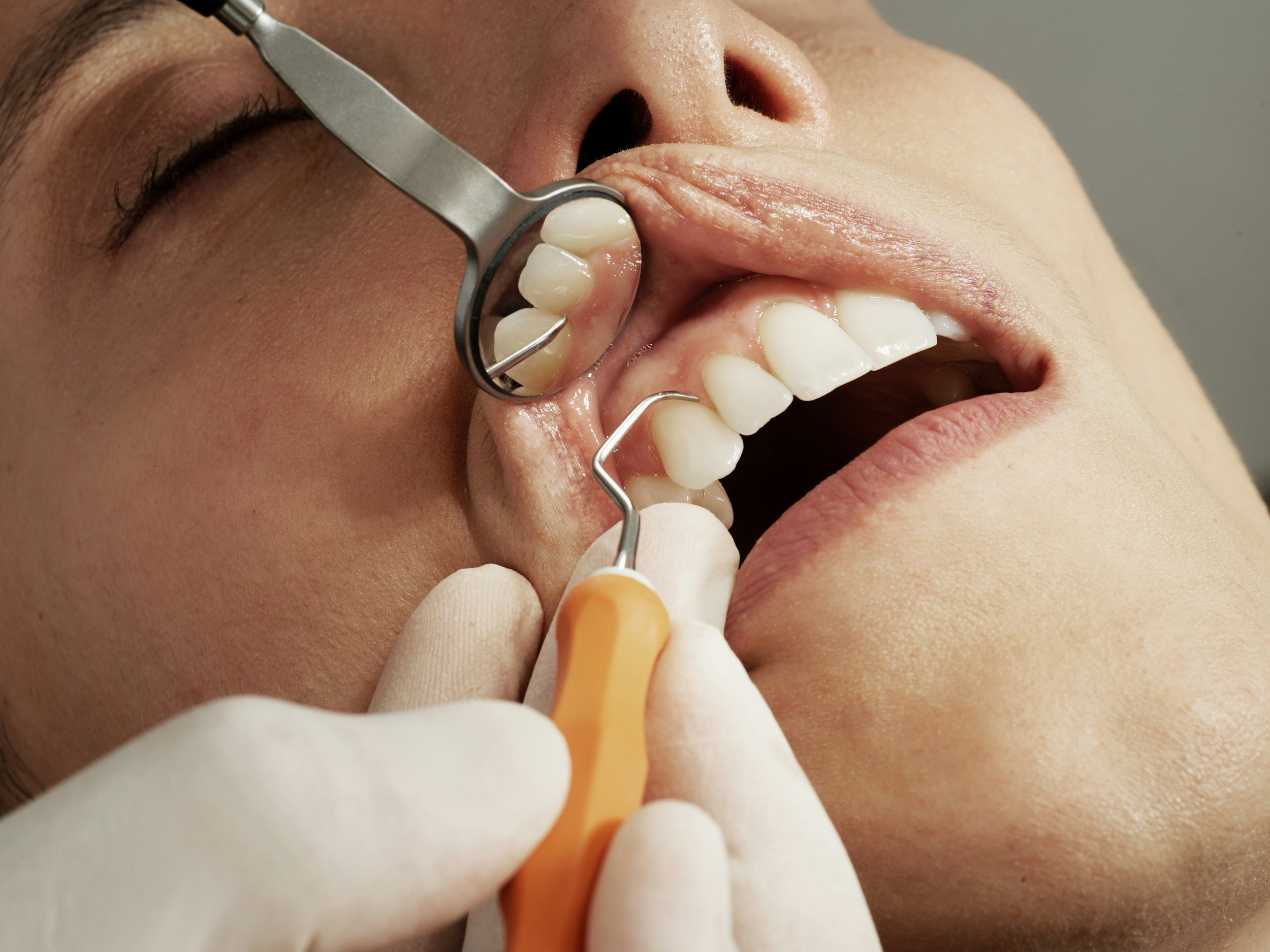
Dental Fillings
-
Dental fillings repair teeth damaged by decay, cavities, minor cracks, or wear. They restore the tooth’s shape and strength while helping prevent further damage.
-
You may need a filling if you have a cavity, chipped or cracked tooth, worn enamel, or an old filling that needs replacement. Tooth sensitivity or discomfort when eating may also be a sign.
-
At Canal Crest, we use high-quality, natural-looking composite resin fillings. These are color-matched to blend seamlessly with your surrounding teeth for a discreet result.
-
The procedure is typically quick and comfortable. We numb the area before treatment so you should not feel pain during the filling placement.
-
Most fillings can be completed in one appointment, often within 30 to 60 minutes depending on the size and location of the restoration.
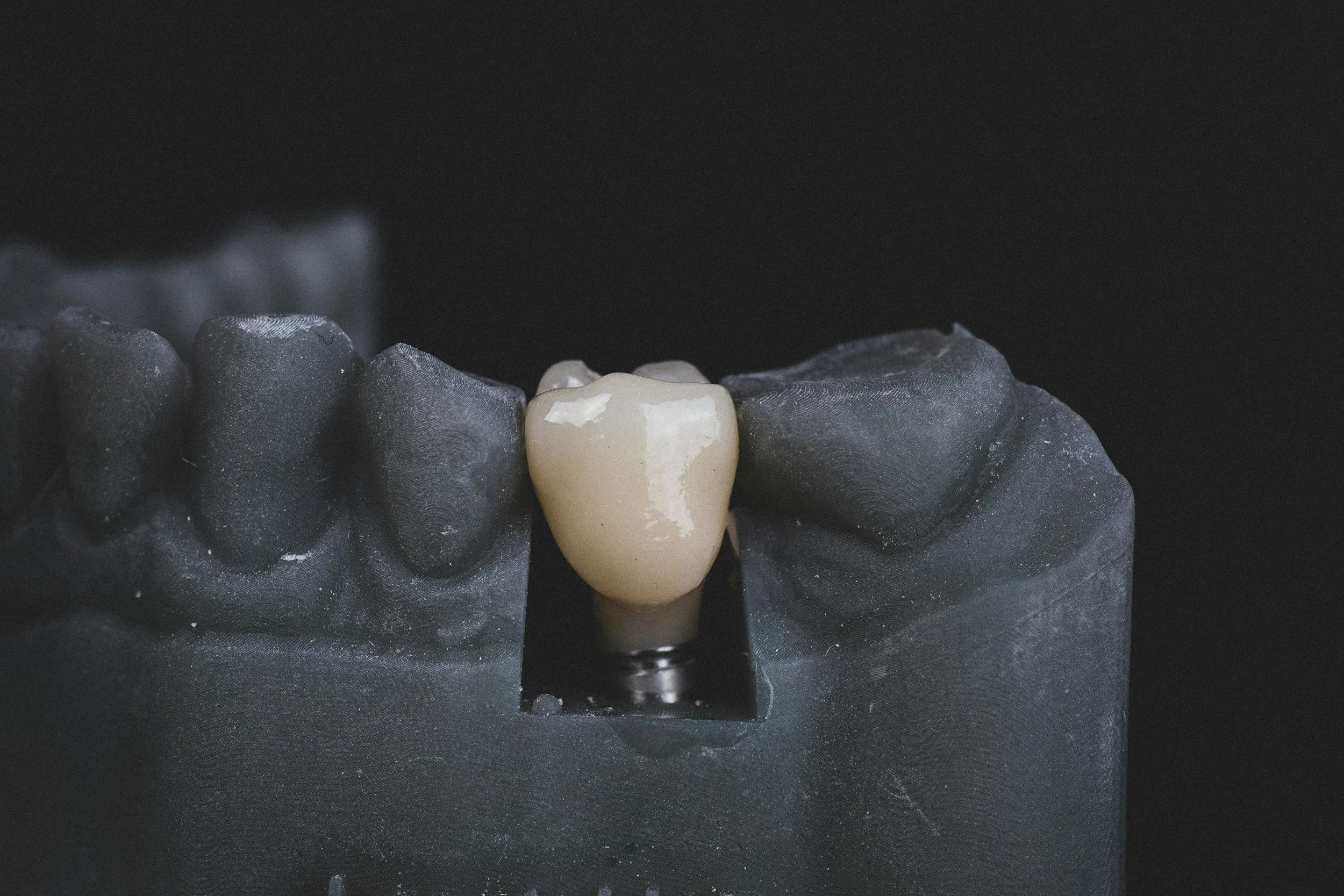
Dental Crowns
-
A dental crown is a custom-made covering that fits over a damaged, weakened, or discolored tooth. It restores the tooth’s strength, shape, function, and appearance.
-
A crown may be recommended for a tooth with significant decay, a large filling, a crack, fracture, wear, or discoloration. Crowns can also protect a tooth following root canal treatment.
-
Yes. Porcelain and ceramic crowns can be color-matched to your natural teeth, creating a restoration that blends beautifully with your smile.
-
The treatment is designed to be comfortable. The tooth and surrounding area are numbed during preparation, so you should not feel pain during the procedure.
-
With good oral hygiene and regular dental check-ups, crowns can last for many years. Their lifespan depends on the material used, your bite, and daily habits such as grinding or chewing hard foods.
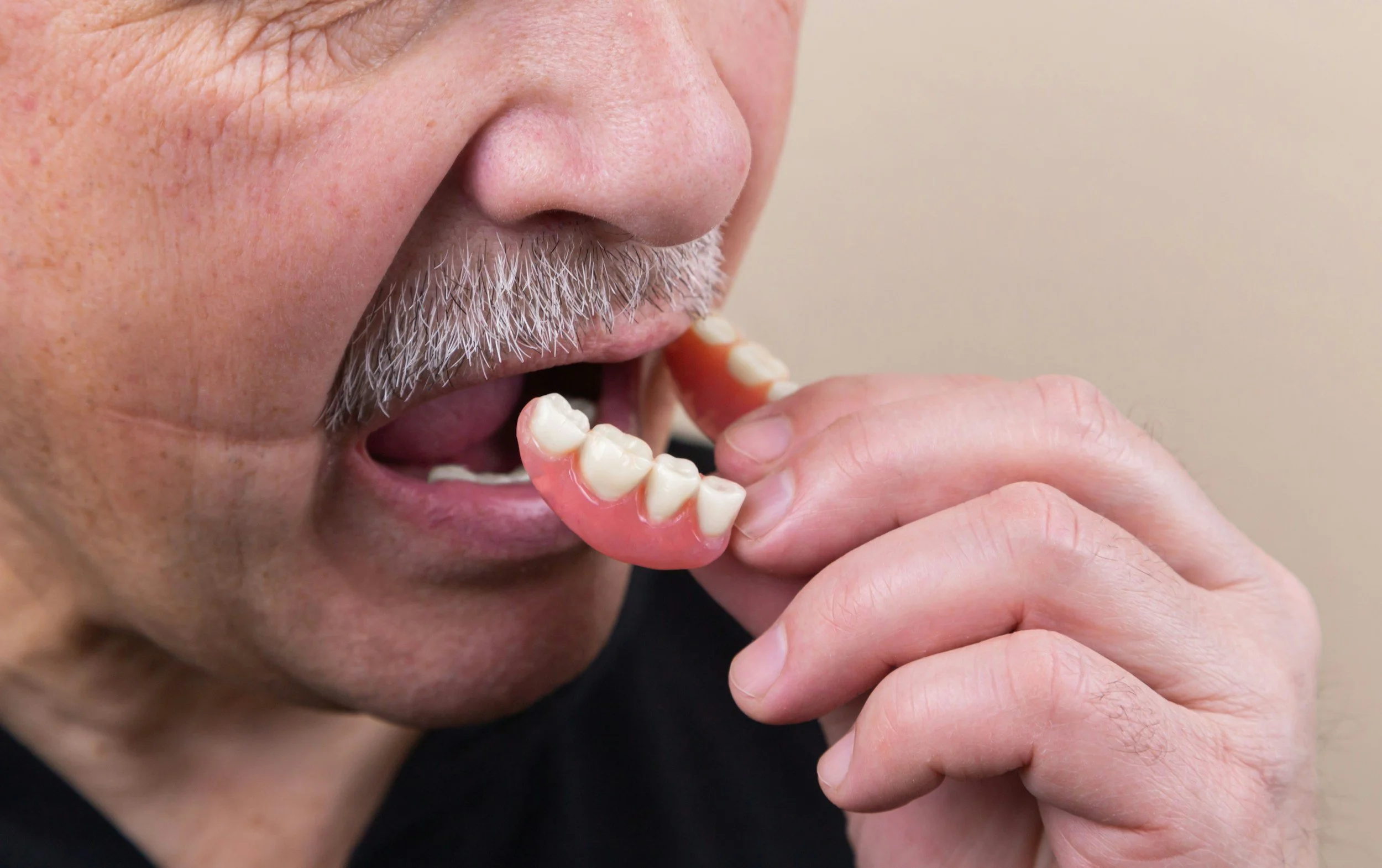
Full Dentures
-
Full dentures are custom-made appliances designed to replace an entire arch of missing teeth. They restore your ability to eat and speak comfortably while providing a complete, natural-looking smile.
-
Full dentures may be suitable if you are missing all teeth in your upper or lower arch, or if your remaining teeth need to be removed due to extensive damage or disease.
-
Yes. We carefully select the size, color, and shape of each tooth to complement your facial features and create a smile that looks natural and feels personal to you.
-
Yes, an adjustment period is normal. Speaking and eating may feel different at first, but most patients become more comfortable as their mouth adapts. We will support you throughout the process and make adjustments where needed.
-
Remove and clean your dentures daily using a soft denture brush and appropriate cleaner. Clean your gums and tongue as well, and keep your dentures in water or a denture-soaking solution when they are not being worn.
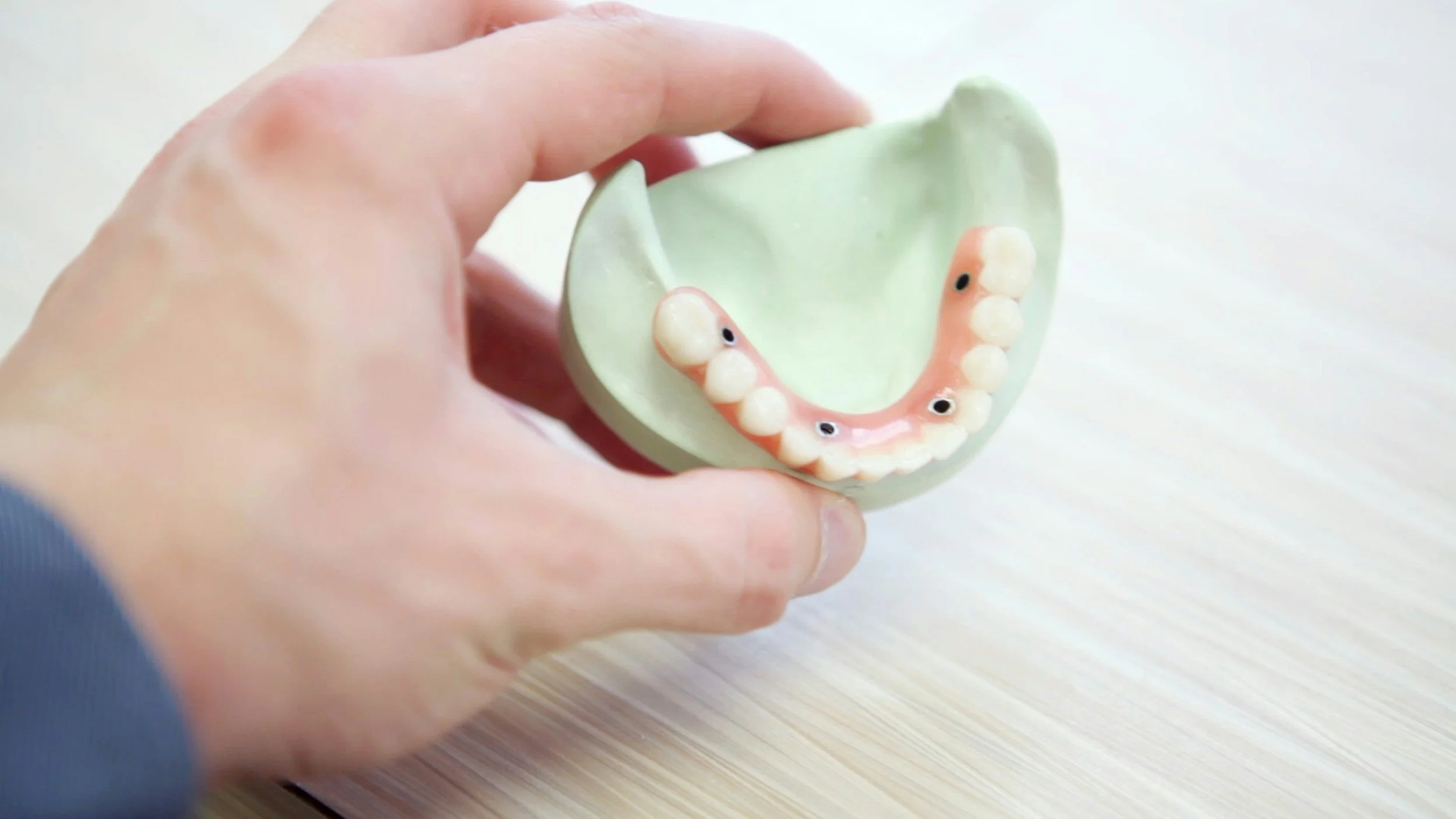
Partial Dentures
-
Partial dentures are custom-made appliances that replace one or more missing teeth while fitting around your remaining natural teeth. They help restore your smile, chewing ability, and confidence.
-
We offer chrome cobalt and acrylic partial dentures. Chrome cobalt dentures use a slim metal framework for excellent strength, stability, and durability. Acrylic dentures are a popular, natural-looking option that can be easier to adjust.
-
Yes. Both options are custom-designed to suit your smile. The replacement teeth are selected to blend naturally with your existing teeth in size, shape, and color.
-
Yes. Their strong metal framework allows for a slimmer design than many acrylic options, helping them feel secure and comfortable while remaining highly durable.
-
Remove and clean your dentures daily using a soft denture brush and suitable cleaner. Clean your natural teeth, gums, and tongue as part of your usual routine, and attend regular dental check-ups to ensure your denture continues to fit well.
Inlays & Onlays
-
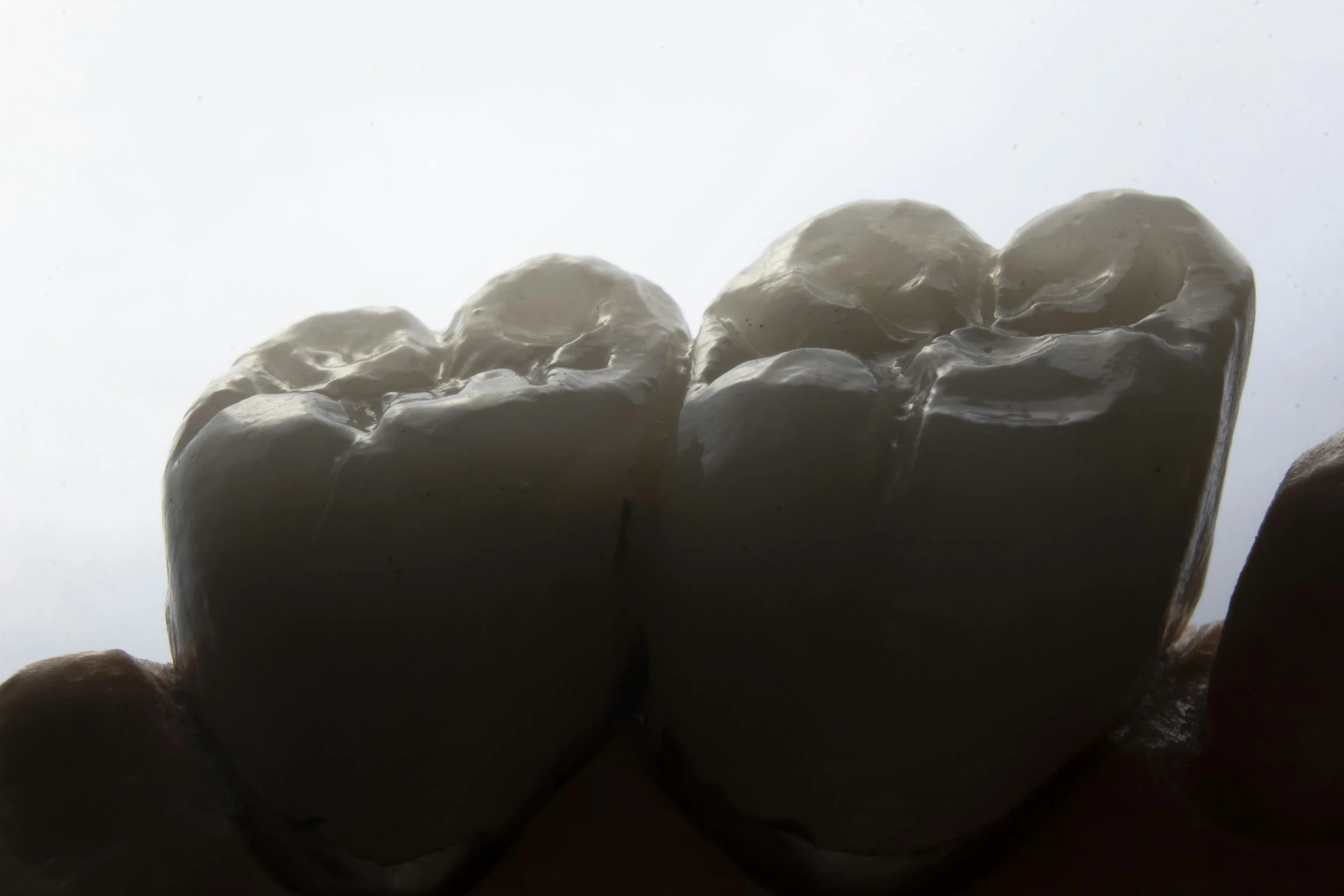
Inlays and onlays are custom-made restorations used to repair teeth affected by decay or damage while preserving as much healthy natural tooth structure as possible.
-
An inlay fits precisely within the grooves of a tooth. An onlay covers a larger area and extends over one or more of the tooth’s cusps, or raised points.
-
They may be recommended when a tooth has more damage than a simple filling can reliably restore, but does not require a full crown. They are often suitable for larger cavities, worn areas, or minor fractures.
-
Yes. Porcelain and composite resin options can be color-matched to blend naturally with your tooth. Gold is also a durable option, particularly for back teeth.
-
Yes. They are made from strong, long-lasting materials and are precisely fitted to support the tooth. With good oral hygiene and regular dental care, they can provide excellent protection for many years.
Dental Bridges
-
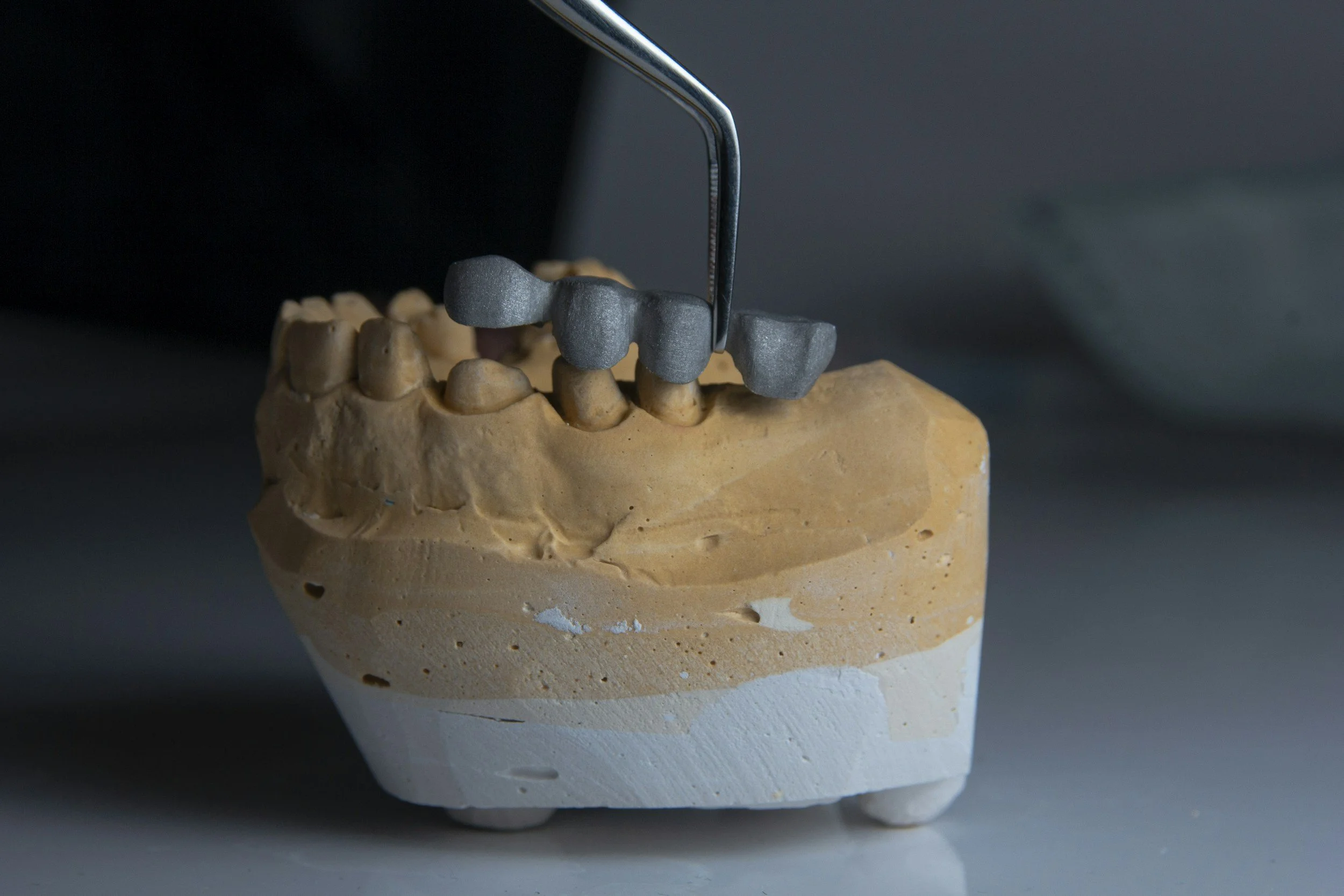
A dental bridge is a fixed restoration that replaces one or more missing teeth. It uses the teeth beside the gap or dental implants as secure anchors for custom-made replacement teeth.
-
A bridge can restore your smile, improve chewing and speech, and help maintain proper tooth alignment. Replacing a missing tooth also helps prevent neighbouring teeth from shifting into the space.
-
Yes. Your bridge is custom-designed to match the shape, size, and colour of your natural teeth, creating a seamless and natural-looking smile.
-
With good oral hygiene and regular dental check-ups, a dental bridge can last for many years. Its longevity depends on the supporting teeth or implants, your bite, and daily care.
-
Brush twice daily and clean carefully underneath and around the bridge using floss, an interdental brush, or a water flosser. Regular dental visits are important to protect the supporting teeth and gums.
Root Canal
-
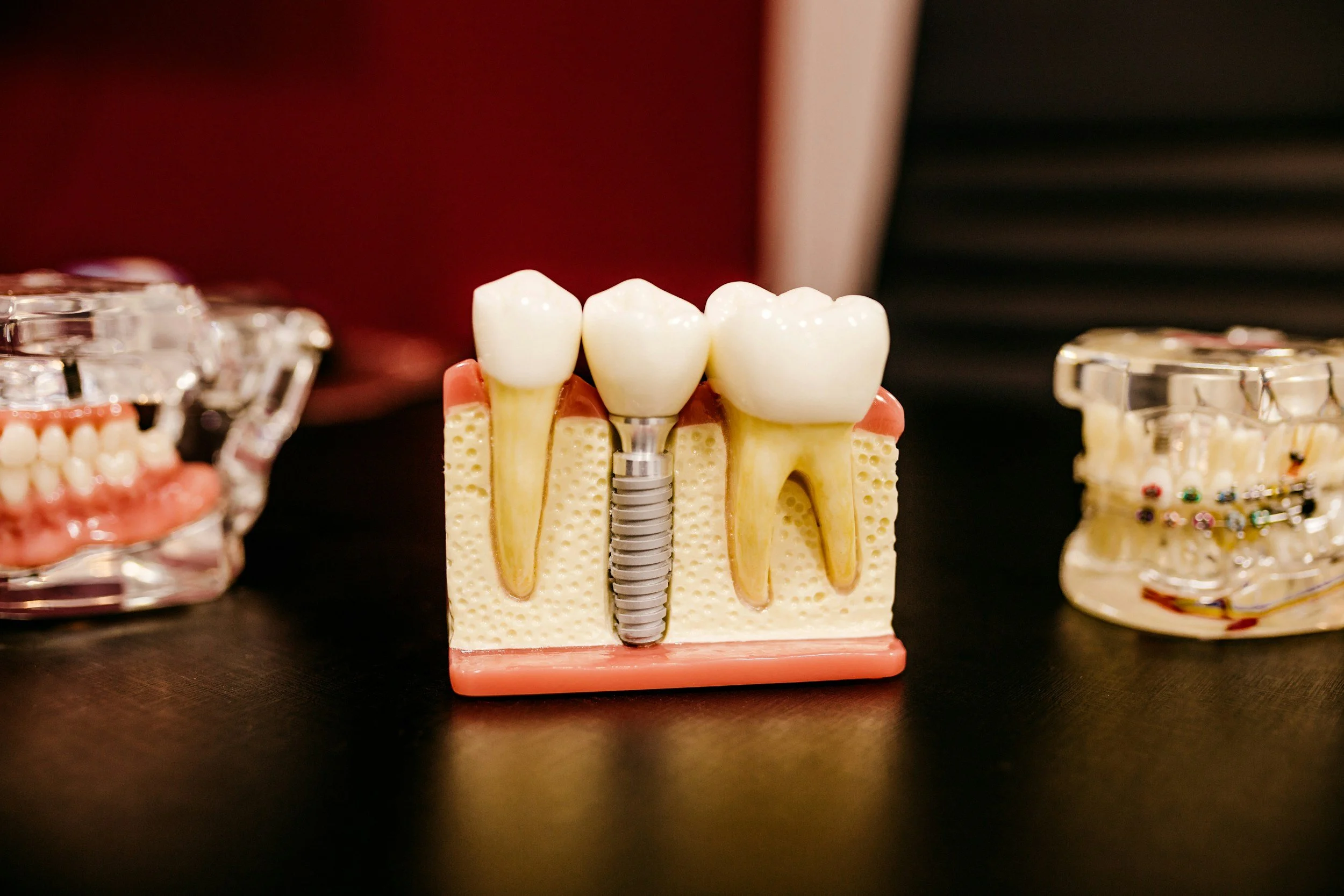
Root canal treatment is a procedure used to save a tooth that is damaged or infected. It removes infected pulp tissue from inside the tooth, cleans and disinfects the area, and seals it to protect the tooth.
-
You may need treatment if decay, a crack, trauma, or a deep filling has allowed infection to reach the tooth’s pulp. Common signs can include persistent toothache, sensitivity to hot or cold, swelling, or tenderness when biting.
-
Modern root canal treatment is designed to relieve pain, not cause it. The tooth and surrounding area are numbed so you should be comfortable during the procedure.
-
Treatment is often completed over one or two appointments, depending on the tooth and the extent of infection. Your dentist will discuss the expected treatment plan with you.
-
A crown may be recommended, particularly for back teeth or teeth that have lost a significant amount of structure. It helps protect the treated tooth and restore its strength for long-term use.
Dental Extractions
-
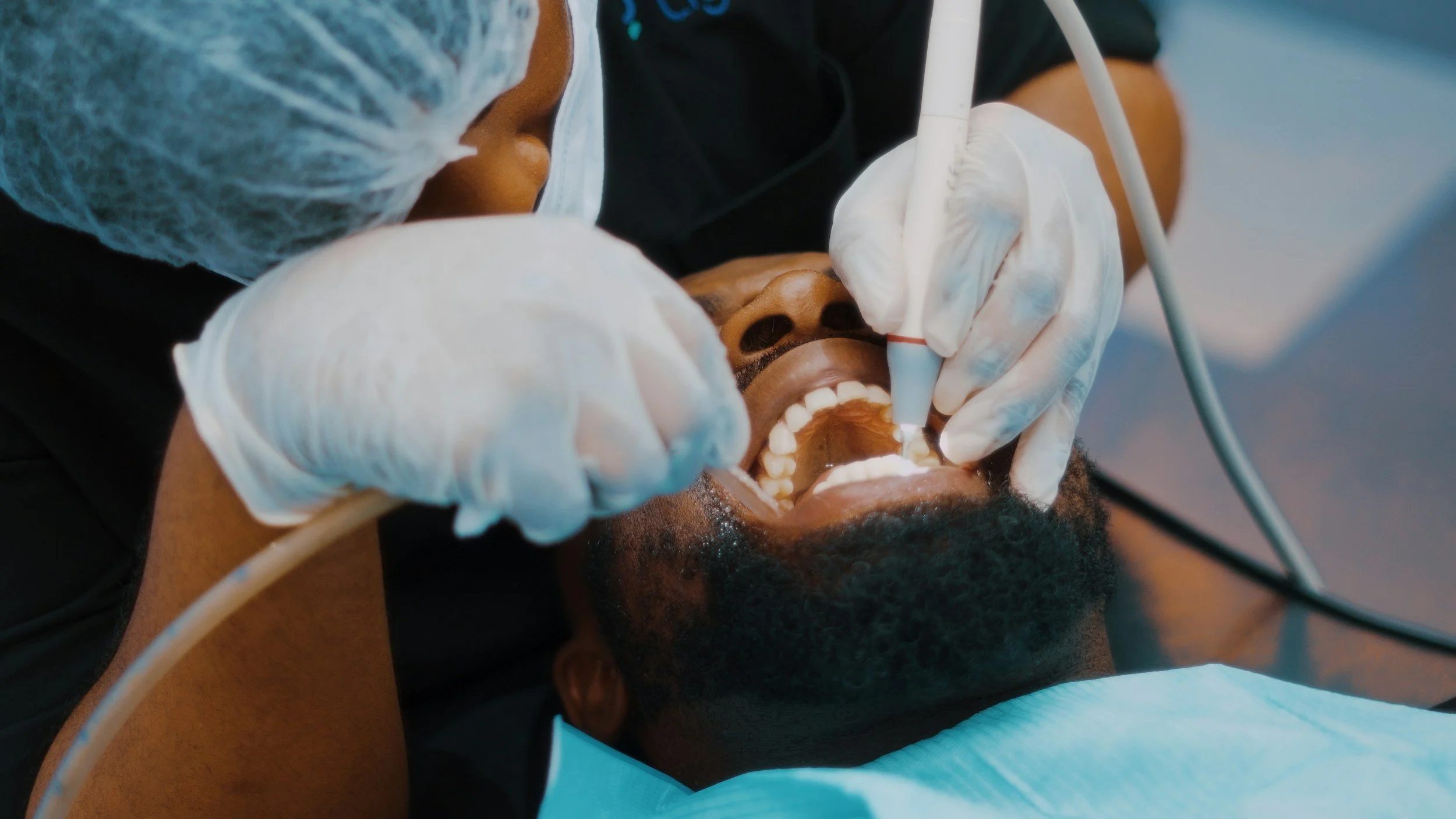
A dental extraction is the careful removal of a tooth that is damaged, severely decayed, infected, or causing overcrowding.
-
An extraction may be recommended when a tooth cannot be reliably saved, is causing infection or pain, or is affecting the alignment of other teeth. It may also be needed to prepare for orthodontic treatment or dental implants.
-
The procedure is carried out under local anesthesia, so you should not feel pain during the extraction. You may feel pressure, and some tenderness afterwards is normal and can be managed with aftercare advice.
-
Initial healing usually takes around one to two weeks. The area may feel tender for a few days, and your oral surgeon will provide clear guidance on eating, cleaning, and managing discomfort as it heals.
-
Follow the aftercare instructions provided by your oral surgeon. Avoid rinsing vigorously, smoking, drinking through a straw, or eating hard foods for the first few days, as these can disturb the healing area.
Hygiene
-
Your hygienist will professionally remove plaque, tartar, and surface staining, assess your gum health, and provide personalised advice to help you care for your teeth and gums at home.
-
Airflow® is a gentle cleaning treatment that uses a controlled stream of air, water, and fine powder to remove surface stains and plaque. It may be recommended where appropriate to leave your teeth feeling fresh and clean.
-
The right interval depends on your individual oral health needs. Your dentist or hygienist will recommend how often you should attend, based on factors such as your gum health, home care routine, and risk of dental disease.
-
Yes. Professional cleaning removes the plaque and tartar that can contribute to bad breath, while your hygienist can identify areas needing extra attention and offer practical oral hygiene advice.
-
Everyone can benefit, particularly patients with dental implants, crowns, bridges, orthodontic appliances, or a history of gum problems. Regular appointments help protect your teeth and gums and support a healthy smile.

Emergency Dentistry
-
A dental emergency includes severe toothache, swelling, infection, a broken or chipped tooth, dental trauma, or a lost filling or crown. If you are in significant pain or have a sudden dental problem, contact us promptly.
-
Contact us as soon as possible for urgent advice and an assessment. Severe pain or swelling may indicate an infection that needs prompt treatment to relieve discomfort and protect your oral health.
-
Keep any broken pieces if you can, rinse your mouth gently with warm water, and contact us promptly. Avoid chewing on the affected side until we can assess the tooth.
-
Keep the filling or crown safely if possible and contact us for advice. Avoid chewing on the tooth, as it may be sensitive or vulnerable to further damage.
-
We aim to provide prompt assessment and appropriate treatment whenever urgent dental care is needed. Our team will assess your symptoms, provide advice, and recommend the best way to relieve pain and protect your smile.

Nervous Patients & Sedation
-
You are not alone. Our friendly, compassionate team will listen to your concerns, explain everything clearly, and help you feel comfortable from the moment you arrive.
-
Yes. We take a calm, supportive approach and can work at a pace that feels right for you. We can pause for breaks whenever you need them.
-
Absolutely. We will talk you through your options, what to expect during treatment, and answer any questions before we begin, so you feel informed and in control.
-
Sedation may be available for suitable patients to help make treatment feel more relaxed and comfortable. Your dentist will discuss whether this is appropriate for you and explain the available options.
-
Yes. There is no judgement. We understand that dental anxiety can make appointments difficult, and we are here to help you take the first step towards a healthy smile.
“I had a really positive experience at Canal Crest. The team was friendly, professional, and made me feel comfortable throughout my appointment. Everything was explained clearly, and I felt that I was genuinely listened to. The clinic itself was clean, modern, and welcoming. I’d definitely recommend them to anyone looking for a reliable and caring dentist.”
– Former Patient
Get In Touch
If you're interested in working with us, complete the form with a few details about your project. We'll review your message and get back to you within 48 hours.